
Ejimakor Challenges Nigeria’s Secular Status, Alleges Islamic, Constitutional Bias
_Secular Advocacy TV News Desk _
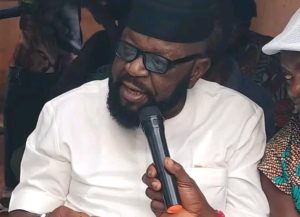
ABUJA — Special counsel to IPOB leader Nnamdi Kanu, Barrister Aloy Ejimakor, has publicly questioned the secular status of Nigeria and claimed that the Constitution of the Federal Republic of Nigeria purported to be secular under section 10 is not secular, citing the number of religious references to Islam and Sharia to Christianity.
In a post on his official X handle on Tuesday, Ejimakor wrote: “Do you know that you’ve been lied to that the Nigerian Constitution is a secular Constitution. Well, it’s not, because it contains 73 mentions of SHARIA, 28 mentions of Islam & 10 mentions of Muslim but ZERO mention of CHRISTIAN.”
Ejimakor further argued that the disparity raises concerns and critical questions about the country’s structure. He added: “Is this not enough to want a separate State? Let’s talk about it, without fear or favor.”
The Nigerian Constitution describes the country as a secular state and prohibits the adoption of any religion as a state religion under Section 10. However, it also recognizes Sharia and Customary Courts of Appeal at both federal and state levels in Sections 275 to 279, and makes multiple references to Islamic personal law in matters often personal status.
While it is obvious that Nigeria’s secular status is questionable, the nonreligious community in Nigeria has also raised concerns of systemic discrimination against them. Recourse is often made to the ordeals of Mubarak Bala, a Nigerian atheist and Humanist from Kano State jailed for denouncing Islam and criticising Prophet Muhammad. International human rights organisations have also questioned the secular status of Nigeria.
Ejimakor’s remarks add more credence to ongoing debates over federalism, religion, and national identity in Nigeria. He did not propose specific legal action but invited public discussion on the issue. Ejimakor, US trained lawyer has been vocal about right to self-determination and fundamental rights of the citizens.
There has been no official response from the Federal Government or the National Assembly as of press time. There’s therefore a need to discuss the secular status and structures of the Nigerian federalism and democracy.